Title: The Impact of Blockchain on the Evolution of Finance

### Introduction
In recent years, blockchain technology has emerged as a transformative force in the financial sector. With its decentralized and transparent nature, it promises to revolutionize traditional financial systems, bringing forth unprecedented changes. This article explores how blockchain is driving the development of finance, its advantages, challenges, and future trends.

### What is Blockchain?
Blockchain is a distributed ledger technology that records transactions across multiple computers in such a way that the recorded transactions cannot be altered retroactively. This ensures transparency and security, making it an ideal solution for various financial applications. The initial use case of blockchain began with Bitcoin in 2009, but its implications extend far beyond cryptocurrencies.

### The Decentralization of Financial Services
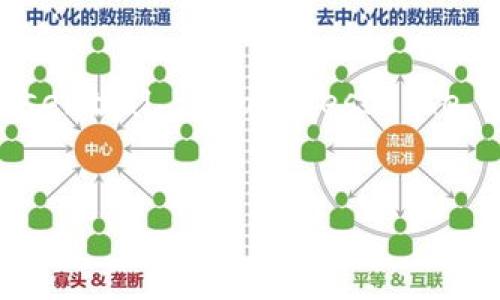
One of the most significant impacts of blockchain on finance is decentralization. Traditional financial systems often involve a central authority, such as banks or governments, that administers transactions, ensuring trust and security. However, decentralization eliminates the need for intermediaries, allowing users to transact directly with one another.
This shift not only reduces costs associated with transaction fees but also enhances efficiency. In a decentralized system, transactions can be completed much faster compared to the traditional banking system, where multiple parties must be involved for each transaction. Consequently, users can enjoy lower costs and quicker access to their funds.

### Enhanced Security and Transparency
Another compelling aspect of blockchain technology is its focus on security and transparency. Each transaction on a blockchain is encrypted and linked to the previous transaction, creating a chain of blocks that is immutable. This means that once a transaction is recorded, it cannot be altered, thereby reducing the risk of fraud.
Transparency is equally important. In a traditional financial system, individuals often have limited insight into how their money is managed. Blockchain, on the other hand, allows all participants to view the transaction history, fostering accountability. This transparency builds trust among users, especially in sectors where corruption and fraud are prevalent.

### Smart Contracts: Automating Financial Processes
Smart contracts are self-executing contracts with the terms of the agreement directly written into code. This innovative feature of blockchain technology eliminates the need for intermediaries, as the contract execution is automated based on predefined criteria. In finance, smart contracts can streamline processes such as loan approvals, insurance claims, and trade settlements.
For example, in the lending sector, a smart contract could automatically release funds to a borrower as soon as the specified collateral is provided. This not only speeds up the lending process but also reduces the chances of default, as terms are coded into the contract. The use of smart contracts has the potential to minimize administrative overhead and enhance overall operational efficiency.

### Challenges in Implementing Blockchain in Finance
Despite its numerous advantages, the integration of blockchain technology into the financial sector is not without challenges. Regulatory hurdles are one of the most significant barriers. Governments and regulatory bodies are still grappling with how to classify and monitor blockchain and its associated currencies. This uncertainty can deter financial institutions from fully embracing the technology.
Moreover, scalability is a critical issue. While blockchain networks like Bitcoin and Ethereum have experienced immense growth, their ability to handle a high volume of transactions simultaneously remains questionable. As the user base expands, the transaction speed can slow down, leading to delays and increased costs.
Additionally, associated energy consumption poses another concern. The process of mining cryptocurrencies, which is fundamental to many blockchain networks, requires significant computational power, leading to substantial energy usage. As awareness of climate change grows, this aspect of blockchain technology faces increasing scrutiny.

### The Future of Finance with Blockchain
Looking ahead, the future of finance intertwined with blockchain technology is promising. Financial institutions are beginning to recognize the need to adapt and innovate. Many banks are exploring the creation of their own blockchain networks to enhance efficiency and reduce costs. This could potentially lead to a new era of financial services, where speed, security, and transparency are prioritized.
Furthermore, the rise of decentralized finance (DeFi) platforms is reshaping how individuals access financial services. DeFi eliminates reliance on traditional banks by allowing users to lend, borrow, and trade assets directly on blockchain networks without intermediaries. This not only democratizes access to financial resources but also provides opportunities for individuals in underserved markets.

### Conclusion
In summary, blockchain technology is poised to drive significant developments in the financial sector. From enhancing security and transparency to enabling decentralized finance and smart contracts, its impact is multifaceted and profound. However, it is essential to address the challenges associated with implementation to realize its full potential. As we move forward, the collaboration between technologists, regulators, and financial institutions will be crucial to harnessing blockchain’s power in transforming finance for the better.

### Keywords
blockchain, finance, decentralized finance, smart contracts, security/guanjianciTitle: The Impact of Blockchain on the Evolution of Finance

### Introduction
In recent years, blockchain technology has emerged as a transformative force in the financial sector. With its decentralized and transparent nature, it promises to revolutionize traditional financial systems, bringing forth unprecedented changes. This article explores how blockchain is driving the development of finance, its advantages, challenges, and future trends.

### What is Blockchain?
Blockchain is a distributed ledger technology that records transactions across multiple computers in such a way that the recorded transactions cannot be altered retroactively. This ensures transparency and security, making it an ideal solution for various financial applications. The initial use case of blockchain began with Bitcoin in 2009, but its implications extend far beyond cryptocurrencies.

### The Decentralization of Financial Services
One of the most significant impacts of blockchain on finance is decentralization. Traditional financial systems often involve a central authority, such as banks or governments, that administers transactions, ensuring trust and security. However, decentralization eliminates the need for intermediaries, allowing users to transact directly with one another.
This shift not only reduces costs associated with transaction fees but also enhances efficiency. In a decentralized system, transactions can be completed much faster compared to the traditional banking system, where multiple parties must be involved for each transaction. Consequently, users can enjoy lower costs and quicker access to their funds.

### Enhanced Security and Transparency
Another compelling aspect of blockchain technology is its focus on security and transparency. Each transaction on a blockchain is encrypted and linked to the previous transaction, creating a chain of blocks that is immutable. This means that once a transaction is recorded, it cannot be altered, thereby reducing the risk of fraud.
Transparency is equally important. In a traditional financial system, individuals often have limited insight into how their money is managed. Blockchain, on the other hand, allows all participants to view the transaction history, fostering accountability. This transparency builds trust among users, especially in sectors where corruption and fraud are prevalent.

### Smart Contracts: Automating Financial Processes
Smart contracts are self-executing contracts with the terms of the agreement directly written into code. This innovative feature of blockchain technology eliminates the need for intermediaries, as the contract execution is automated based on predefined criteria. In finance, smart contracts can streamline processes such as loan approvals, insurance claims, and trade settlements.
For example, in the lending sector, a smart contract could automatically release funds to a borrower as soon as the specified collateral is provided. This not only speeds up the lending process but also reduces the chances of default, as terms are coded into the contract. The use of smart contracts has the potential to minimize administrative overhead and enhance overall operational efficiency.

### Challenges in Implementing Blockchain in Finance
Despite its numerous advantages, the integration of blockchain technology into the financial sector is not without challenges. Regulatory hurdles are one of the most significant barriers. Governments and regulatory bodies are still grappling with how to classify and monitor blockchain and its associated currencies. This uncertainty can deter financial institutions from fully embracing the technology.
Moreover, scalability is a critical issue. While blockchain networks like Bitcoin and Ethereum have experienced immense growth, their ability to handle a high volume of transactions simultaneously remains questionable. As the user base expands, the transaction speed can slow down, leading to delays and increased costs.
Additionally, associated energy consumption poses another concern. The process of mining cryptocurrencies, which is fundamental to many blockchain networks, requires significant computational power, leading to substantial energy usage. As awareness of climate change grows, this aspect of blockchain technology faces increasing scrutiny.

### The Future of Finance with Blockchain
Looking ahead, the future of finance intertwined with blockchain technology is promising. Financial institutions are beginning to recognize the need to adapt and innovate. Many banks are exploring the creation of their own blockchain networks to enhance efficiency and reduce costs. This could potentially lead to a new era of financial services, where speed, security, and transparency are prioritized.
Furthermore, the rise of decentralized finance (DeFi) platforms is reshaping how individuals access financial services. DeFi eliminates reliance on traditional banks by allowing users to lend, borrow, and trade assets directly on blockchain networks without intermediaries. This not only democratizes access to financial resources but also provides opportunities for individuals in underserved markets.

### Conclusion
In summary, blockchain technology is poised to drive significant developments in the financial sector. From enhancing security and transparency to enabling decentralized finance and smart contracts, its impact is multifaceted and profound. However, it is essential to address the challenges associated with implementation to realize its full potential. As we move forward, the collaboration between technologists, regulators, and financial institutions will be crucial to harnessing blockchain’s power in transforming finance for the better.

### Keywords
blockchain, finance, decentralized finance, smart contracts, security/guanjianci